AI as a Creative Co-Author – From Concept to Realization
27 February 2025 — Christian Schön
Traditionally, good storytelling requires a blend of inspiration, creativity, experience and craftsmanship. The challenge often lies in transforming ideas into visually or narratively coherent forms. This is where generative AI comes in. It is often mistakenly seen as a source of creativity, but it primarily accelerates the creative process.
1. From Idea to First Visualization
Before you can tell a story, you need a clear vision. In the past, this meant creating mood boards, making sketches or writing scripts. Today, AI tools such as Midjourney (www.midjourney.com) or Freepik (www.freepik.com) can deliver initial visual concepts in seconds that would previously have taken hours or days.
‘Elephant Terrible’: A Real-World Example
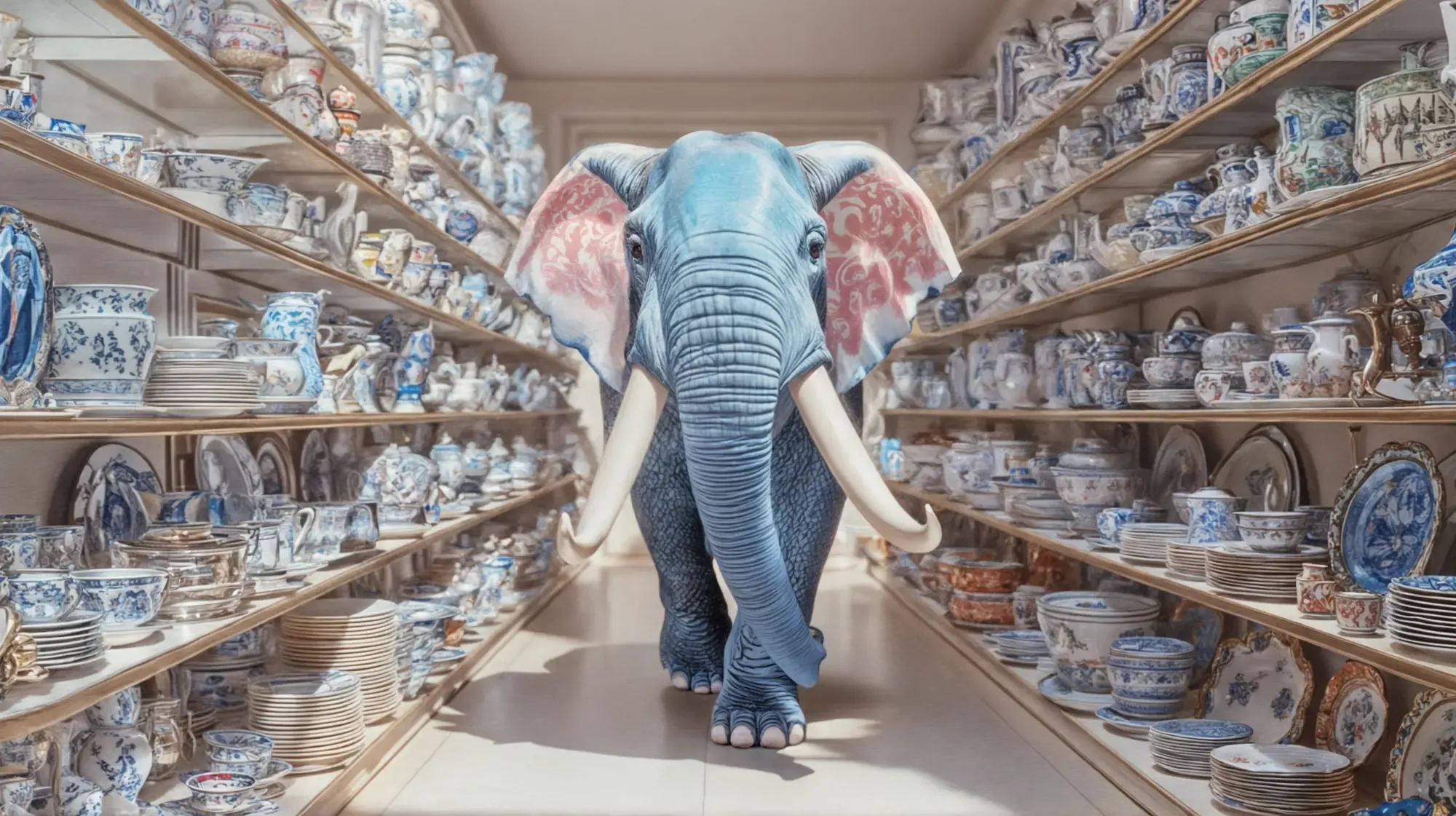
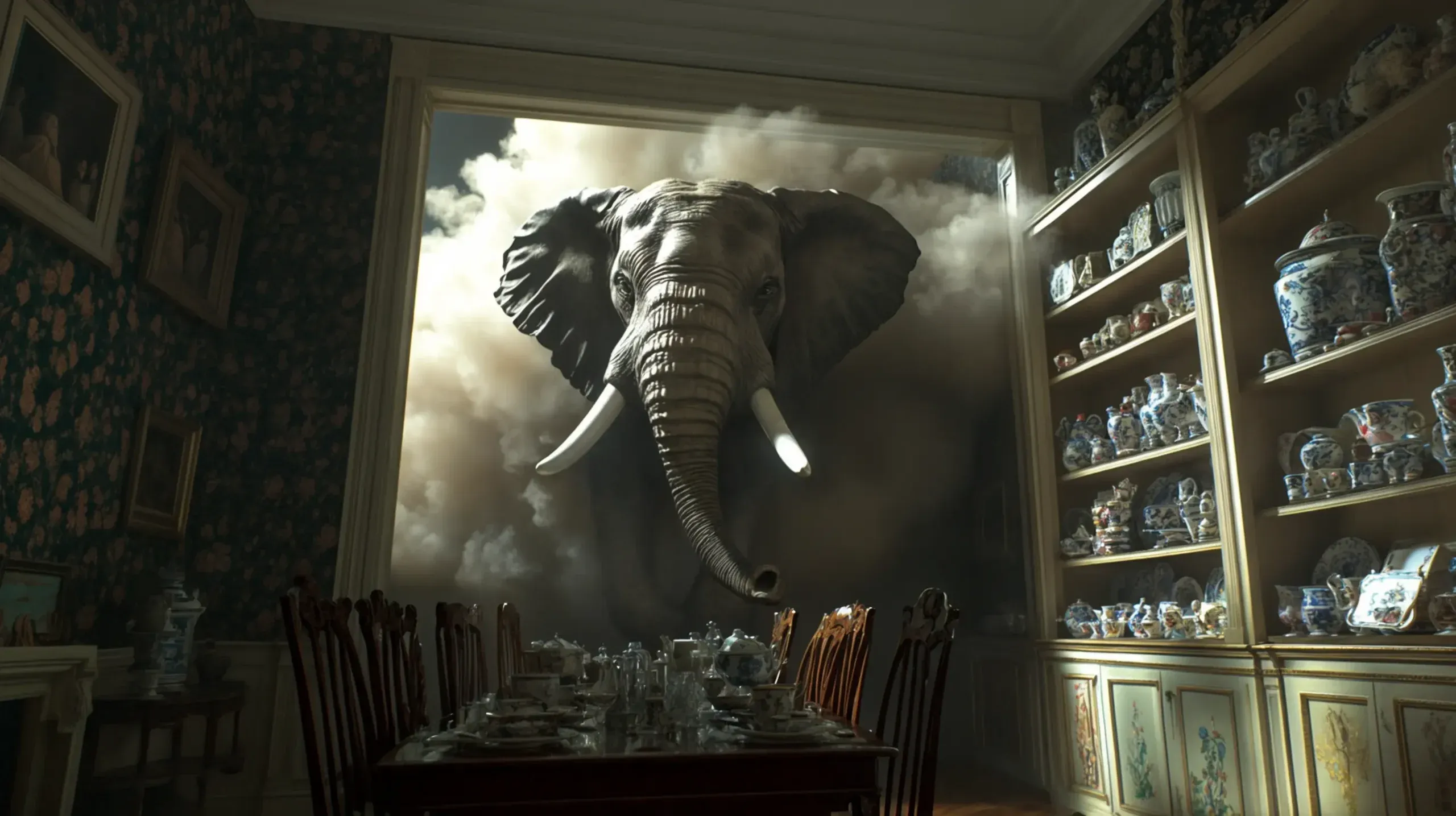
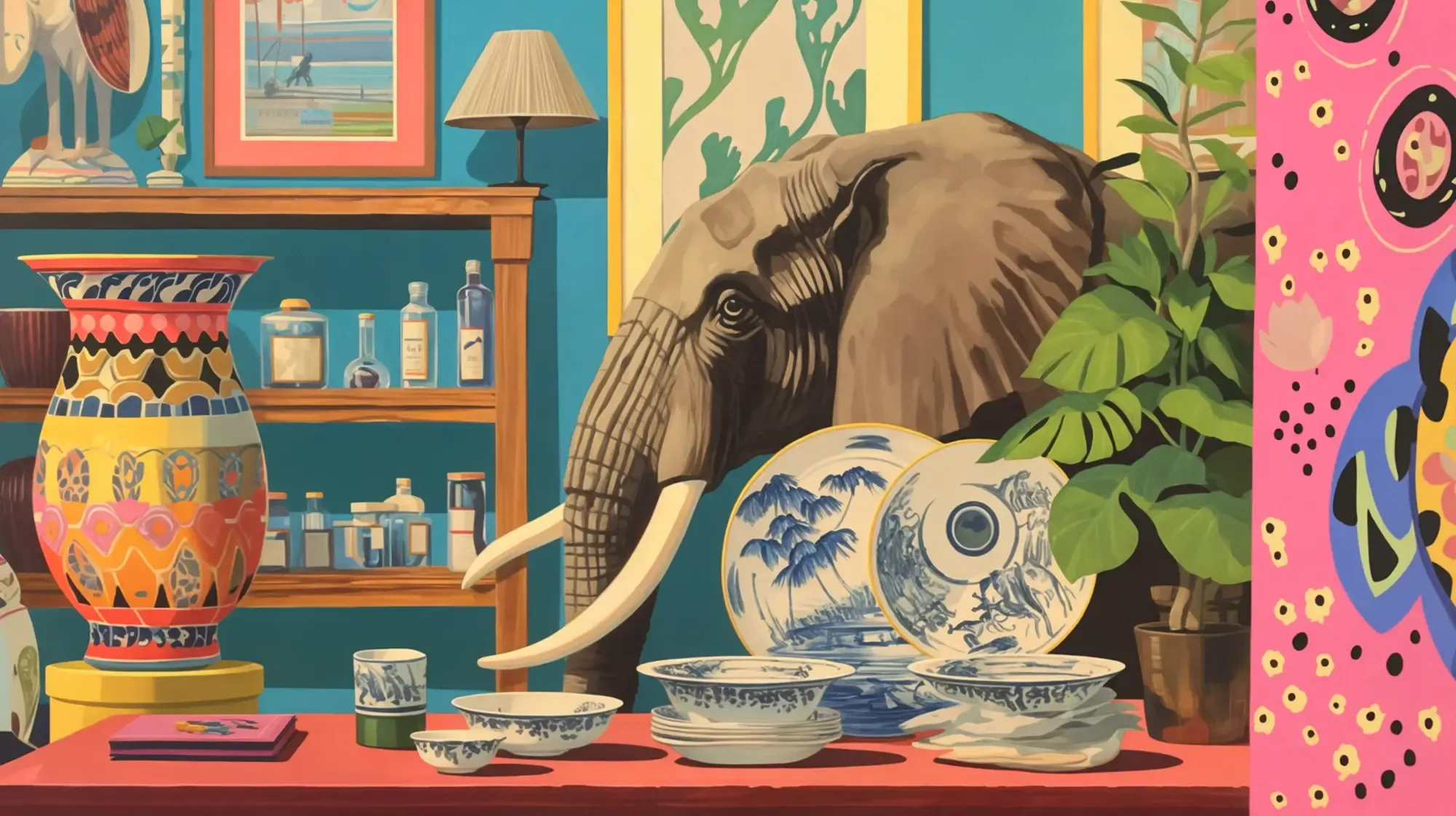
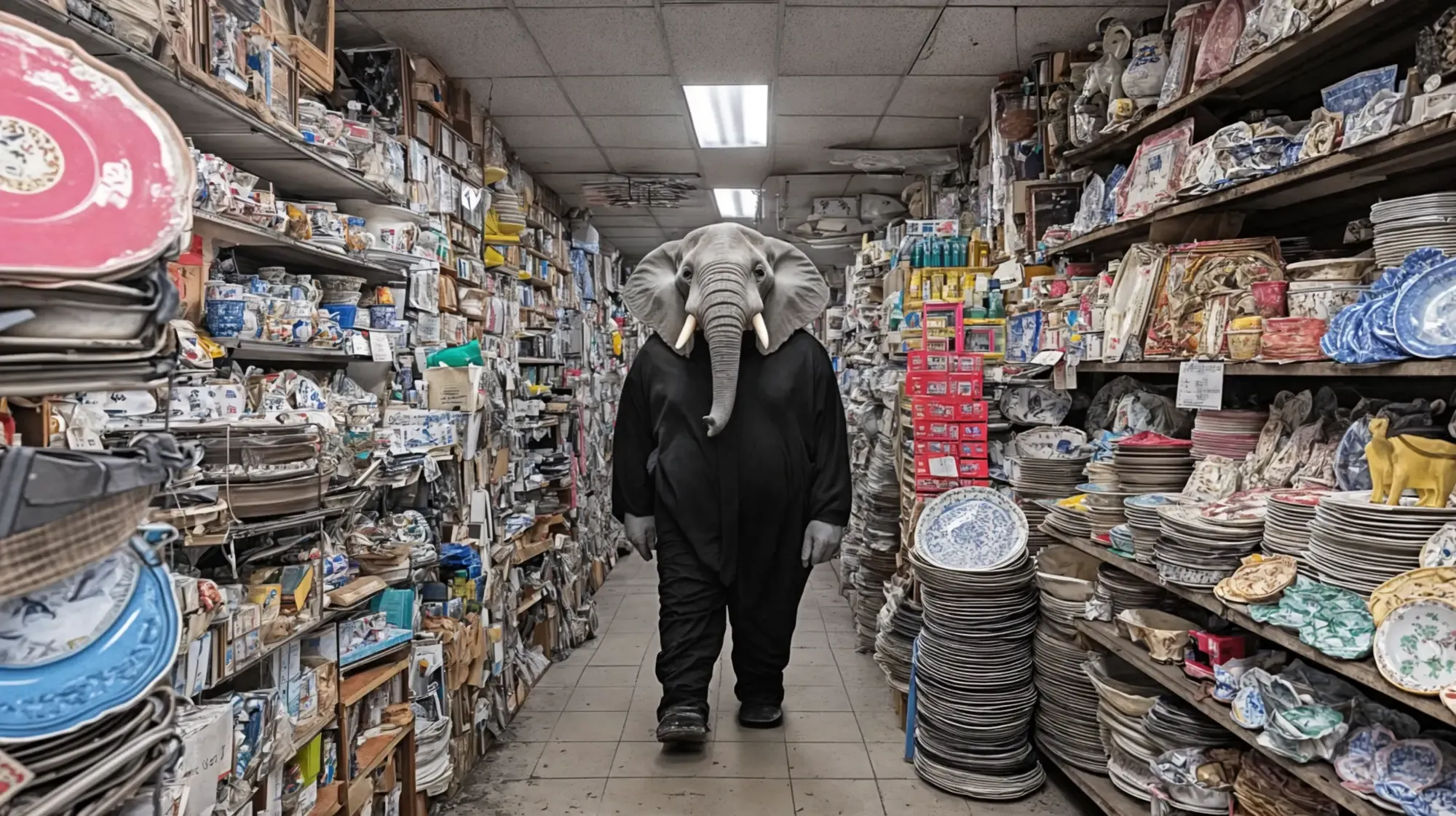
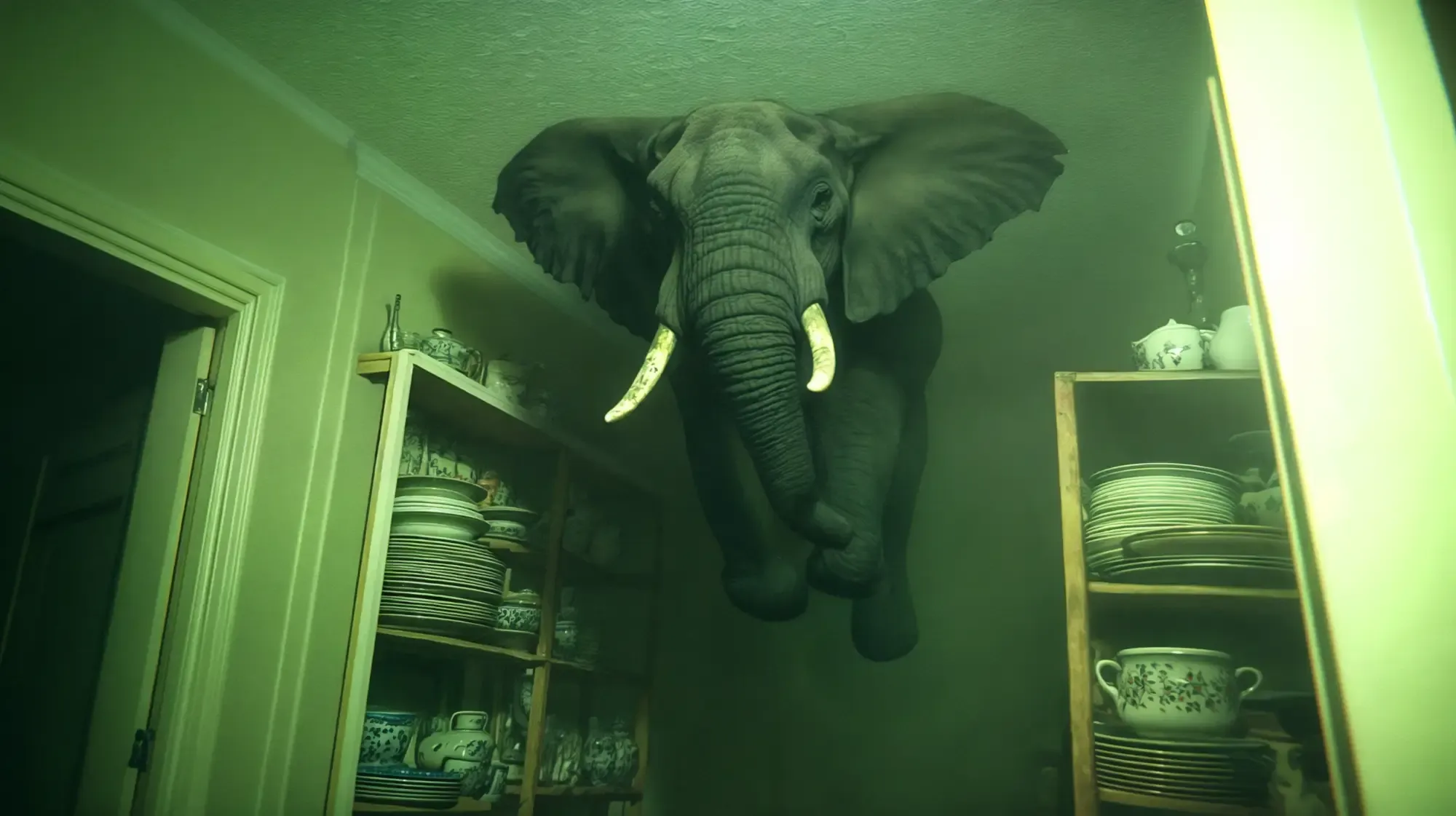
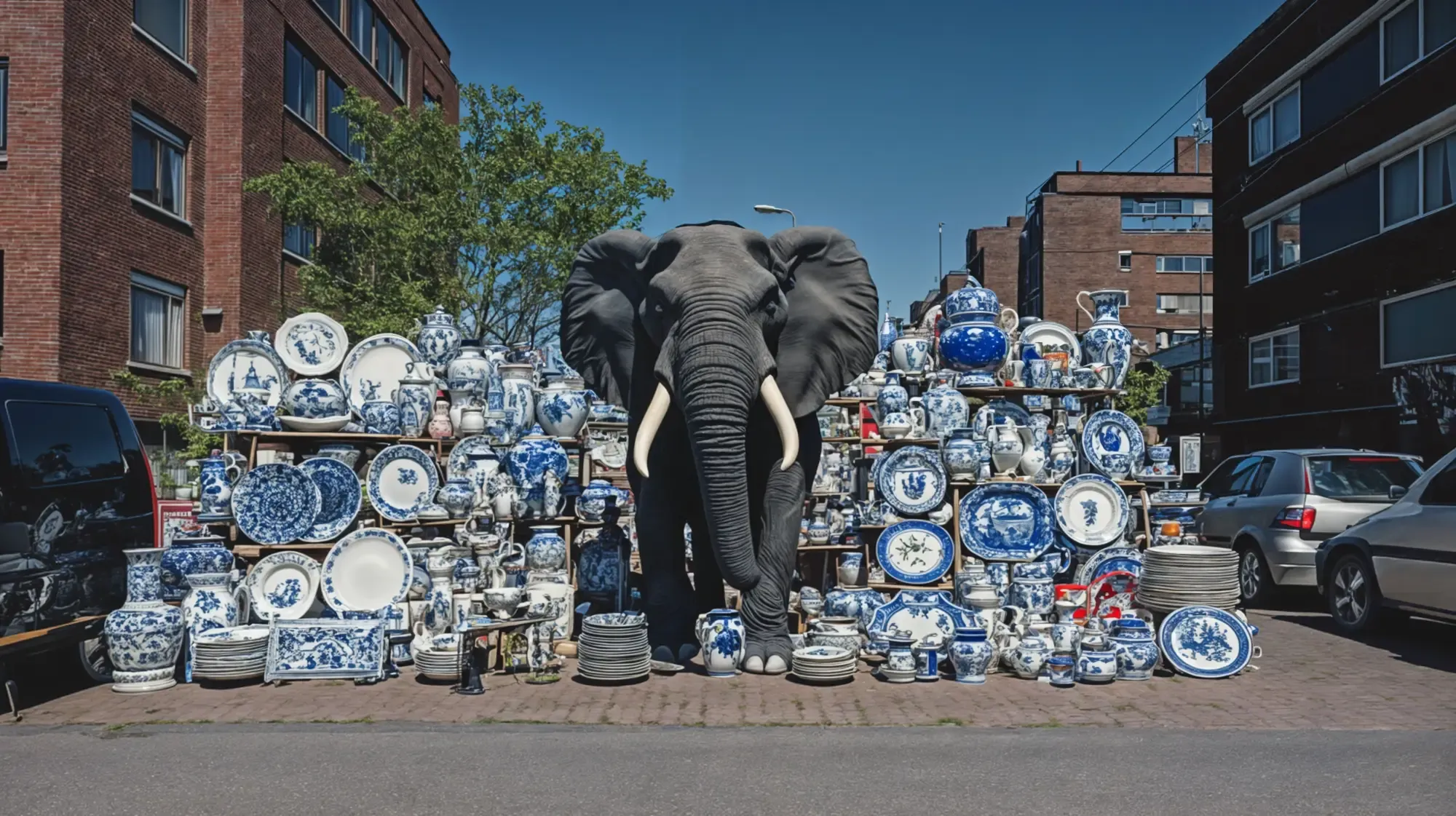
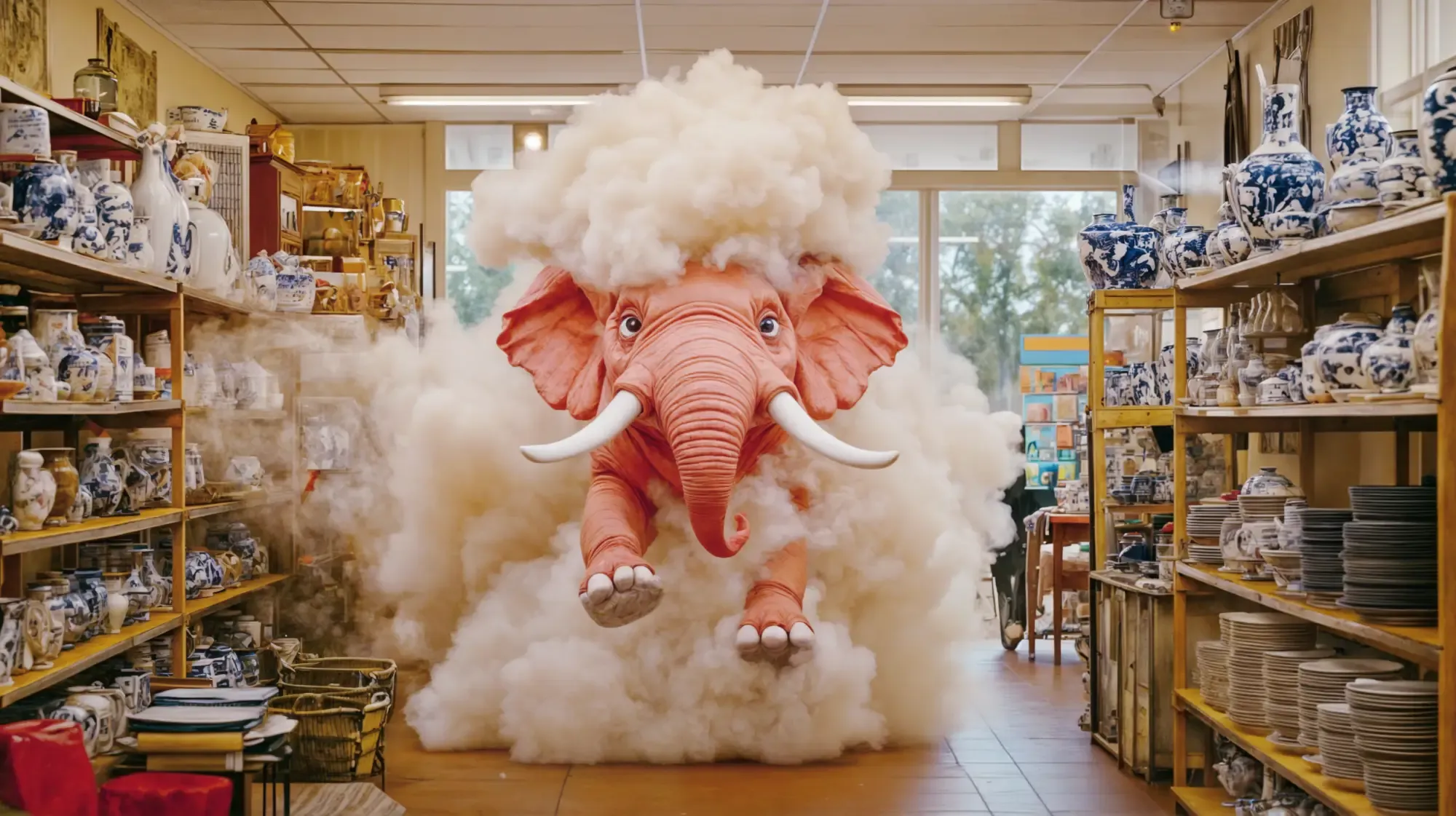
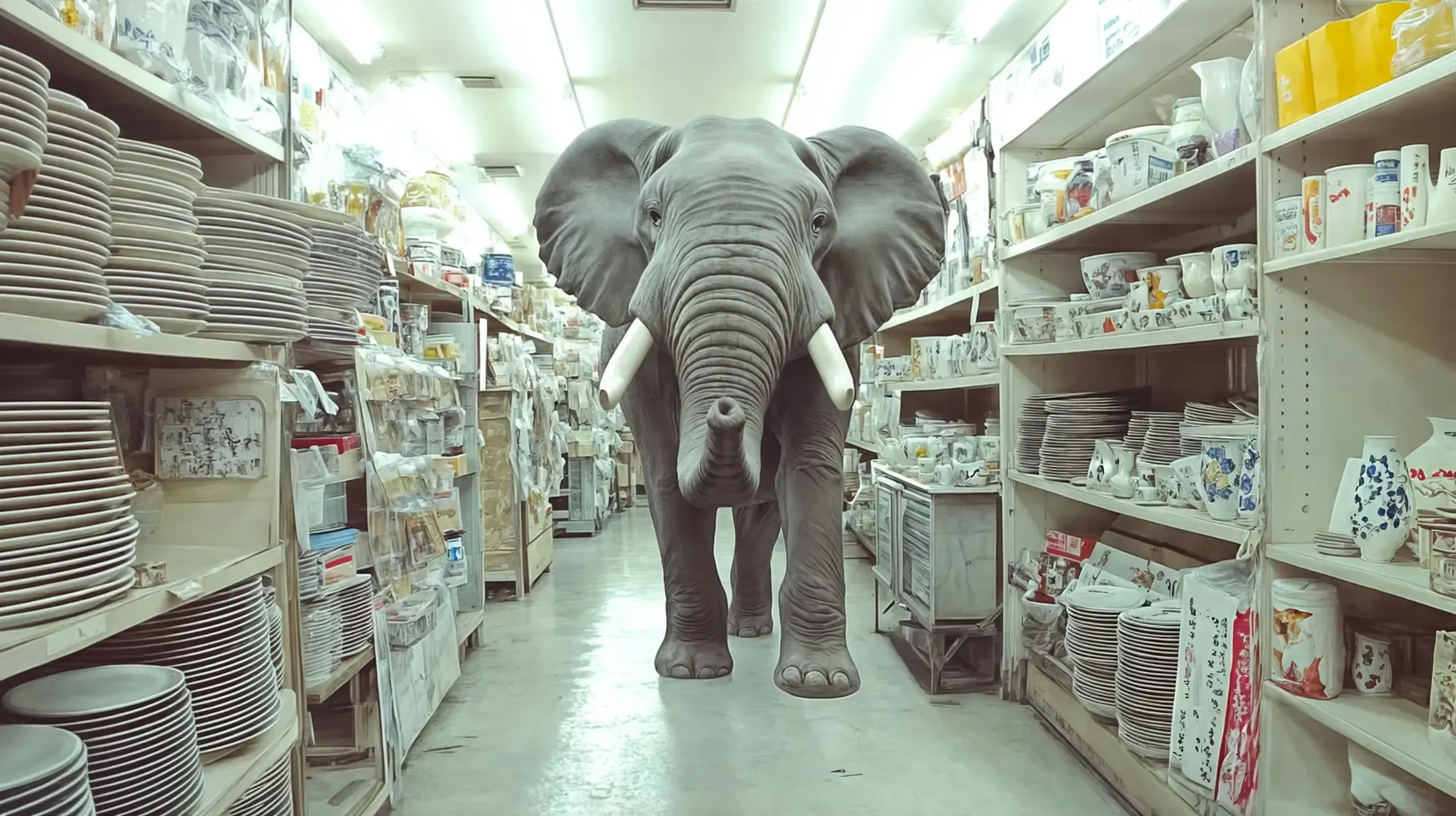
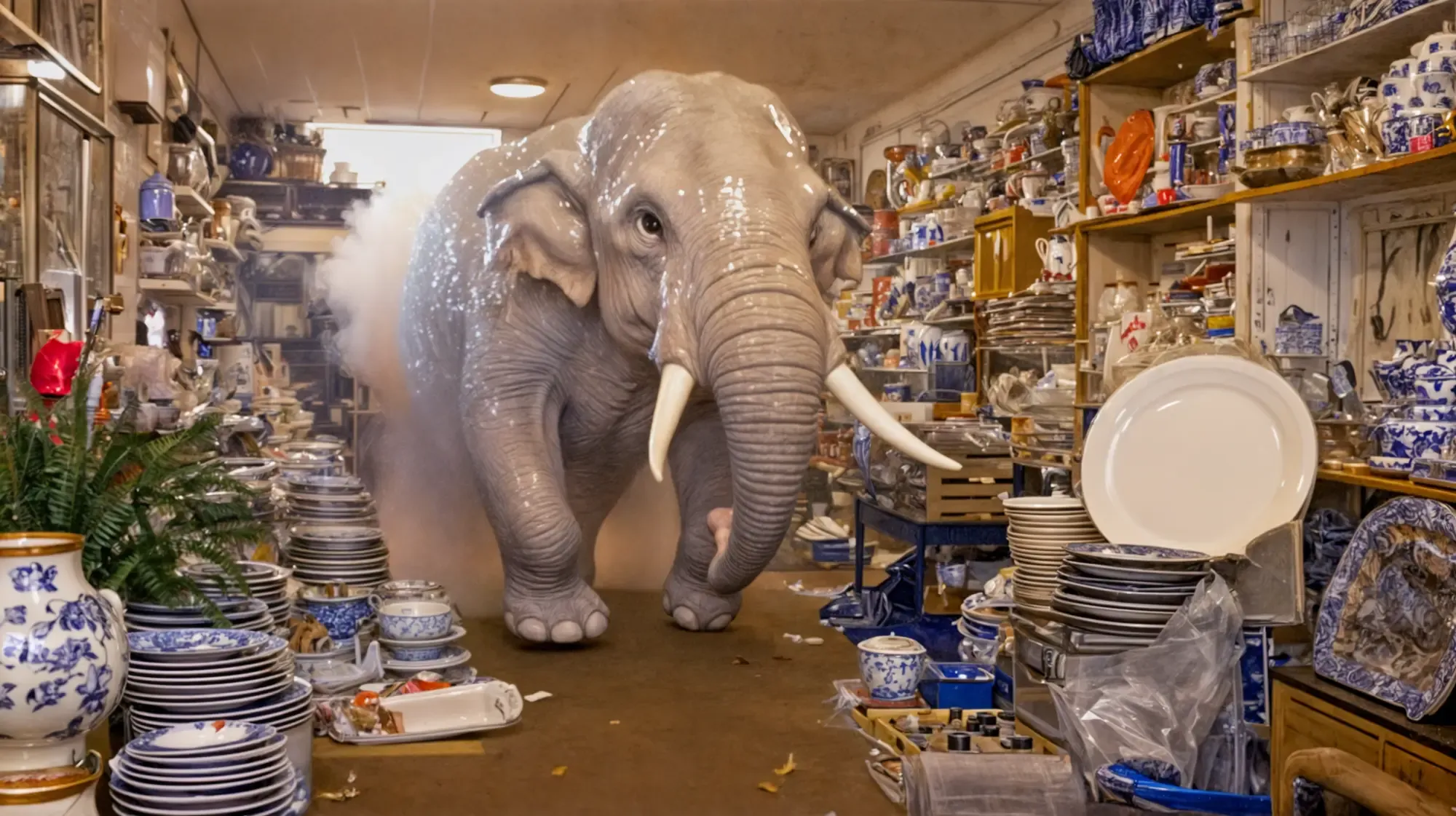
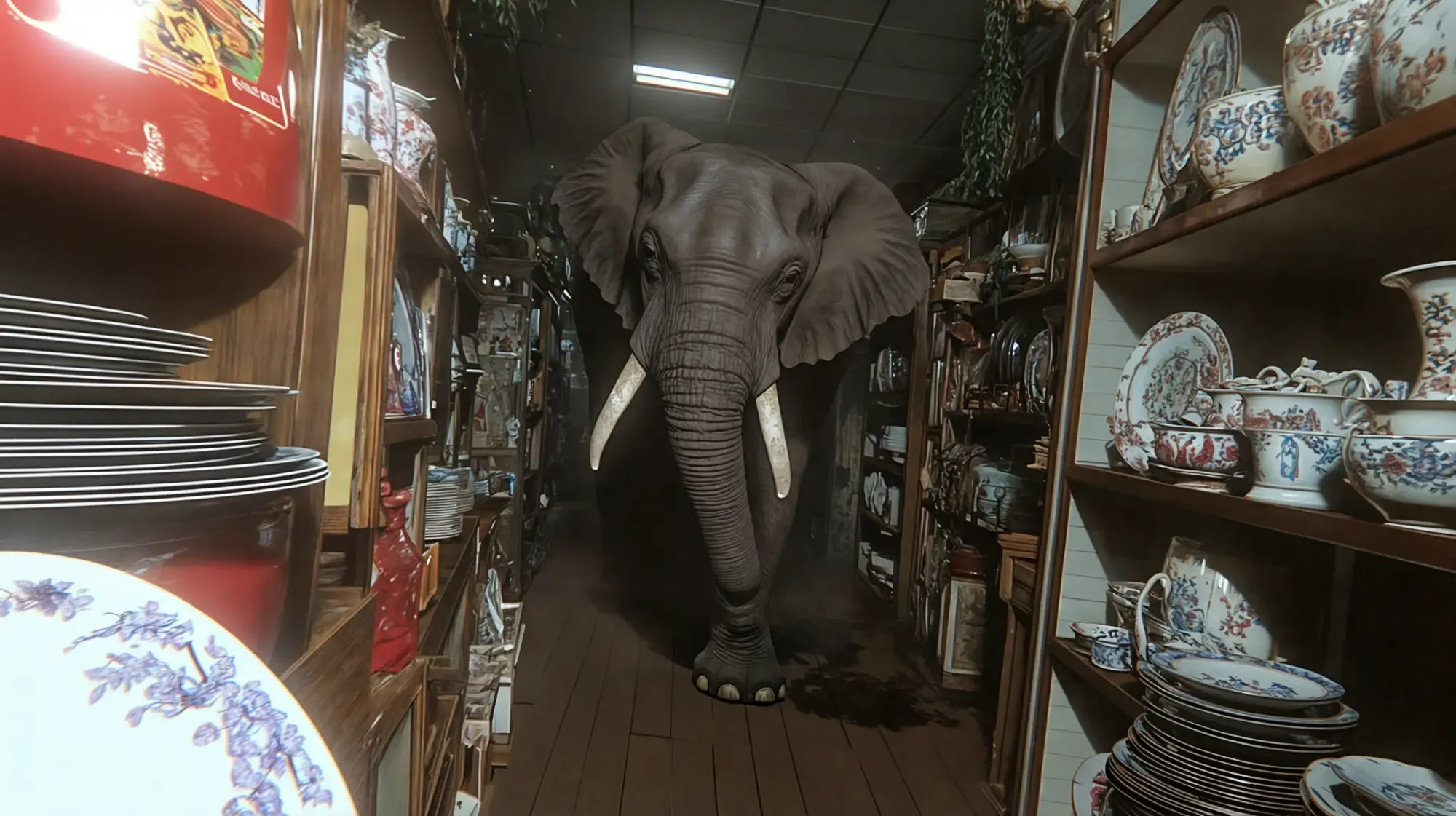
Before ‘Elephant Terrible’, our first AI-generated short film, took shape, the eyeye team experimented with different visual styles. What atmosphere would suit the story? How should the elephant look? What kind of china shop would provide the most exciting backdrop? Instead of creating dozens of mood boards by hand, we used generative AI to quickly generate initial look tests for settings, characters and lighting moods. This allowed us to evaluate different visual approaches before we started production.
2. AI as a Tool for Screenwriting and Storytelling
The structure of a film, commercial or interactive story is based on a strong script. Generative language models such as ChatGPT can help formulate plot ideas, test dialogue or develop alternative narrative structures.
But does this mean that AI will replace scriptwriters?
No, AI can generate text, but it can’t bring in deep human experience or creative nuance. The real magic comes from the combination of human creativity and AI-based assistance.
‘Generative AI doesn’t replace creativity – it augments it. For the eyeye team and me, it is a tool that makes ideas tangible more quickly and opens up new visual worlds.’ Christian Schön, Founder and CEO of eyeye
3. Visual Realization – Generative AI for Film and Design
Where concept drawings, photography or elaborate animation used to be necessary, AI can now create high-quality visuals in no time at all. This opens up new and almost limitless possibilities, especially for film production, advertising and game design:
AI-generated scenes and motion design
- Tools such as Runway or Kling AI make it possible to create complex moving images on the fly.
- Film scenes can be visualised in advance with AI-generated storyboards.
- Virtual characters and avatars can be created in seconds.
‘Elephant Terrible’ shows how AI works not as a replacement for creative minds, but as an extension of the human imagination. This story could only have been realised as a classic film at great expense.
4. AI as a Catalyst for New Ideas
Generative AI does not change the nature of storytelling. It changes the tools we use to create stories. Just as the transition from analogue to digital media, from classic film to the CGI revolution, and from hand-drawn sketches to virtual designs once opened up new creative possibilities, AI is now enabling radically new visual languages, accelerated workflows and limitless creative possibilities.
The Future of AI in Storytelling – Opportunities and Challenges
While AI opens up new possibilities for creative storytelling, it also brings challenges. One of the main benefits is the expansion of creative freedom. Ideas can be visualised, varied and developed more quickly, opening up new creative possibilities. The use of AI makes processes more efficient and scalable, as storyboards, characters and sets can be created in minutes rather than weeks. In addition, generative AI enables completely new visual aesthetics that were previously almost impossible to achieve in terms of technology and budget.
At the same time, the use of AI raises questions about legal protection. Who owns AI-generated content and how can copyrights be protected? The authenticity and originality of content must also be guaranteed. How can we ensure that stories remain human and distinctive despite the use of AI? These questions will shape the future use of AI in the creative industries.
eyeye: Any Intelligence. Make it Yours.
Author: Christian Schön, 27 February 2025
Images and film: eyeye / AI-generated
About eyeye
eyeye is an advertising agency, a modern laboratory and a traditional workbench all rolled into one. Here, the fusion of human creativity and artificial intelligence (AI) creates extraordinary brands and advertising campaigns. Whether you are a small company or a global player, we believe that everyone can harness the power of digital to meet the demands of an ever-changing market.
As an experienced advertising agency, we help businesses on their journey into the digital future. With extensive expertise in artificial intelligence, brand development and communications, we focus on innovative solutions to make your brand distinctive.
Got any questions? Feel free to contact us. We are here to help.